A Century of Change: How Women’s Roles in Australian Society Have Transformed
Over the past 100 years, the role of women in Australian society has undergone an extraordinary transformation. From a time when women were expected to focus almost solely on home and family, they’ve emerged as powerful contributors in every corner of the workforce, public life, politics, defence, and beyond. In this post, we’ll explore how women’s roles have evolved, particularly in motherhood, during wartime, in defence, careers, and leadership and how these shifts have helped reshape Australian society.
From Home Front to Workforce: The Changing Role of Mothers
A century ago, the ideal woman in Australia was typically seen as a devoted wife and mother. Her duties revolved around caring for the home and raising children. It was common for women to leave paid work once they married, often never returning. In fact, married women weren’t even allowed to hold permanent jobs in the Commonwealth Public Service until 1966.
But as the 20th century progressed, significant social changes began to take hold. Access to education improved, landmark legislation promoting gender equality was introduced over time, and the introduction of the oral contraceptive pill in the 1960s gave women more control over family planning. Societal attitudes began to shift, recognizing women’s capabilities and aspirations beyond the domestic sphere. The average age of first-time mothers has risen, and family sizes have become smaller. Australia’s fertility rate dropped from around 3.5 children per woman in the early 1900s to about 1.7 in recent years.
Importantly, women began entering the workforce in much larger numbers. By 1990, 62% of working-age women (15–64 years) were part of the labour force, up from just 34% in 1961. While juggling work and family life is still challenging, the idea that a woman’s identity should be defined solely by motherhood is far less common today.
Wartime Catalysts: How Conflict Expanded Women’s Roles
The world wars were turning points for women in Australia. With thousands of men serving overseas, women were called upon to step into roles traditionally reserved for men.
During World War I, women primarily served as nurses, but many also volunteered on the home front, organising fundraising efforts, working with the Red Cross, and even travelling overseas as ambulance drivers and support staff.
World War II saw a more dramatic shift. Labour shortages meant women were actively recruited for jobs in manufacturing, agriculture, and even the military. They joined munitions factories, drove trucks and trains, and joined the Australian Women’s Land Army. More than 66,000 women served in the women’s auxiliary branches of the armed forces, taking on everything from cooking to mechanical work.
Although they were often paid less than men, women proved they were more than capable. Their wartime efforts challenged long-held beliefs about what women could and should do, paving the way for greater inclusion in the post-war workforce and broader society.
Women in the Modern Australian Defence Force
Today, women serve in every role across the Australian Defence Force (ADF), including combat positions, leadership, intelligence, and engineering. As of recent data, women make up approximately 20% of the permanent ADF, with ongoing efforts to boost this figure through recruitment and retention initiatives.
Women now command naval ships, lead army units, and fly combat aircraft—roles once considered completely off-limits. The ADF has removed all gender-based restrictions, and its current focus is on building inclusive, diverse teams where performance and leadership matter more than gender.
These advances reflect how far the military and society has come in recognising women’s equal capability and contribution to national security.
Expanding Career Horizons: Women Breaking into Non-Traditional Trades and Professions
In addition to office-based and professional roles, an increasing number of Australian women are stepping into non-traditional careers, industries that have long been male-dominated. Furthermore, women have made significant strides in traditionally male-dominated professions and are increasingly taking on leadership roles across various sectors.
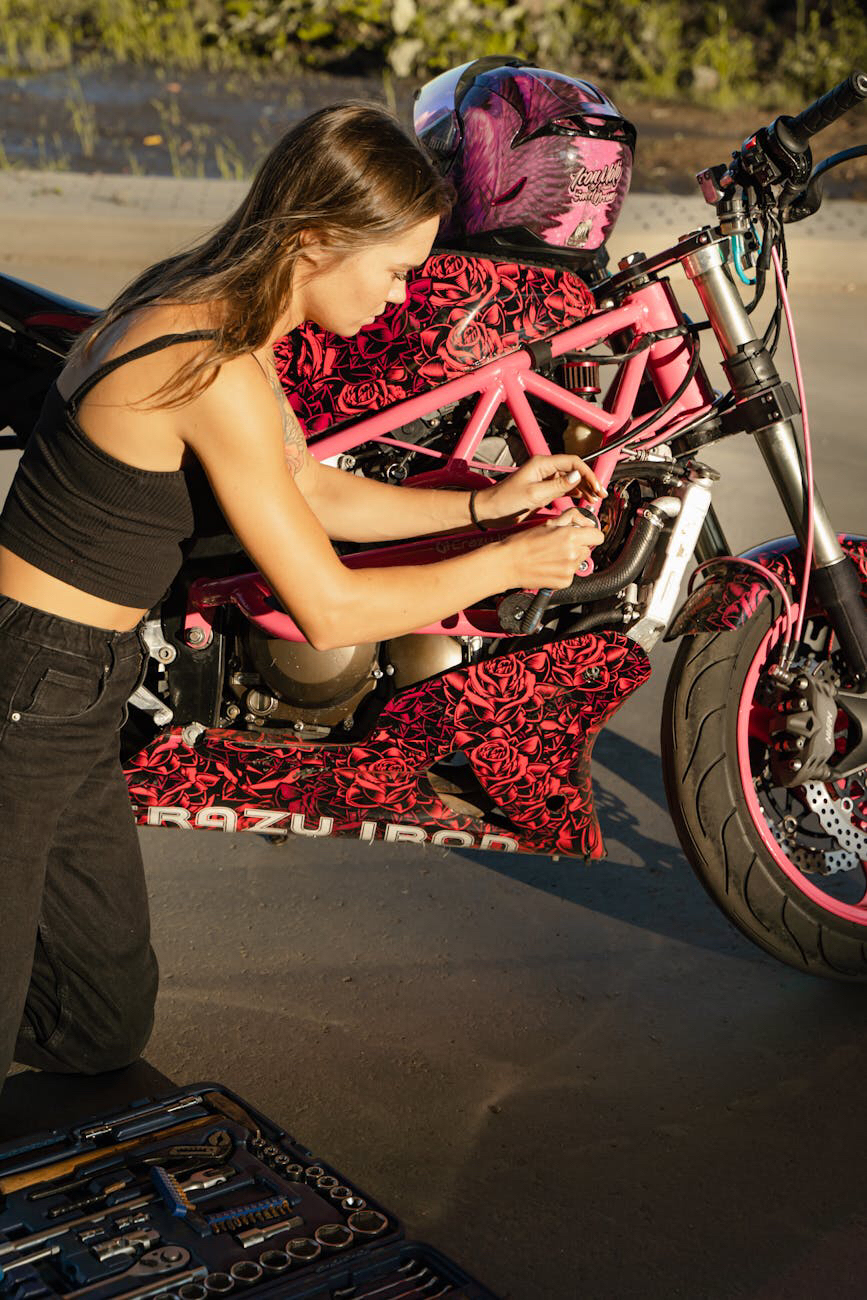
Women are now working as road construction workers, heavy machinery operators, carpenters, electricians, mechanics, welders, and miners. Programs like “Women in Trades” and government-backed initiatives are encouraging young women to explore apprenticeships in construction, infrastructure, and resource industries. Simultaneously, more women are entering fields like engineering, technology, and finance, and are progressing into senior management and executive positions.
Mining companies have introduced flexible rosters, mentorship programs, and more inclusive workplace cultures to support gender diversity. Construction firms are also seeing the value of women’s perspectives in planning and leadership.
Moreover, legislative changes and evolving workplace cultures are gradually dismantling barriers to women’s advancement in professional fields.
While barriers remain such as gender bias, physical workplace design and lack of representation women in these industries and professions are proving every day that skill, strength, and smarts are not gendered.
Women in Politics and Leadership
Beyond the workforce, women have also made significant inroads into Australian politics and leadership roles across various community sectors. From local councils to federal parliament, the representation of women in political office has steadily increased over the past century, although achieving true gender parity remains an ongoing goal.
Women are now serving as Prime Ministers, Premiers, Ministers, and holding key leadership positions in political parties. Their presence brings diverse perspectives and experiences to policy-making and governance. Similarly, women are increasingly leading boards, community organizations, and influential institutions, shaping the direction of Australian society in profound ways.
The Juggling Act: Balancing Work, Family, and Everything In Between
Perhaps one of the most impressive aspects of modern womanhood is how women are managing multiple demanding roles simultaneously. Many women are working full-time or running businesses while also parenting, maintaining relationships, managing households, and being present for friends and extended family.
The pressure is real but so is the adaptability and resilience.
Flexible work arrangements, remote roles, and greater societal awareness have helped, but many women still carry a disproportionate share of emotional and domestic labour. Despite that, they are leading teams at work, helping with homework at night, and checking in with friends over coffee or text messages. They’re showing that success isn’t just about ticking boxes, it’s about living fully and authentically in all areas of life.
Importantly, the conversation is shifting. There’s growing recognition that doing it all doesn’t mean doing it alone and that asking for support, setting boundaries, and being honest about limitations are all acts of strength.
Embracing Self-Care: A New Kind of Strength
Alongside external achievements, more and more women are recognising the importance of self-care—not as a luxury, but as a necessity. After decades of being expected to put everyone else first, today’s women are starting to reclaim their own time, space, and wellbeing.
Whether it’s through mindfulness, exercise, therapy, journaling, creative pursuits, or simply saying “no” more often, self-care is helping women reset their energy and avoid burnout. It’s no longer about “having it all” at once, it’s about sustaining yourself so you can show up for the people and priorities that matter most.
And here’s the truth: when women prioritise their wellbeing, everyone around them benefits too partners, children, friends, workplaces, and communities.
Final Thoughts: A Legacy of Progress—and the Work Ahead
In just one century, women in Australia have gone from being confined largely to the home to playing leading roles in every aspect of society, including politics, defence, and diverse professions. Their resilience during wartime, service in defence, rise in non-traditional trades and professions, dedication to careers, increasing presence in leadership and prioritisation of wellbeing have redefined what it means to be a woman in Australia today.
While the journey toward full equality isn’t over, the progress made is extraordinary. Every step forward tells a story of courage, determination, and an ongoing commitment to change the narrative for women, and for the country as a whole.
Midlife Musings: How Middle-Aged Women View Themselves in the Modern World
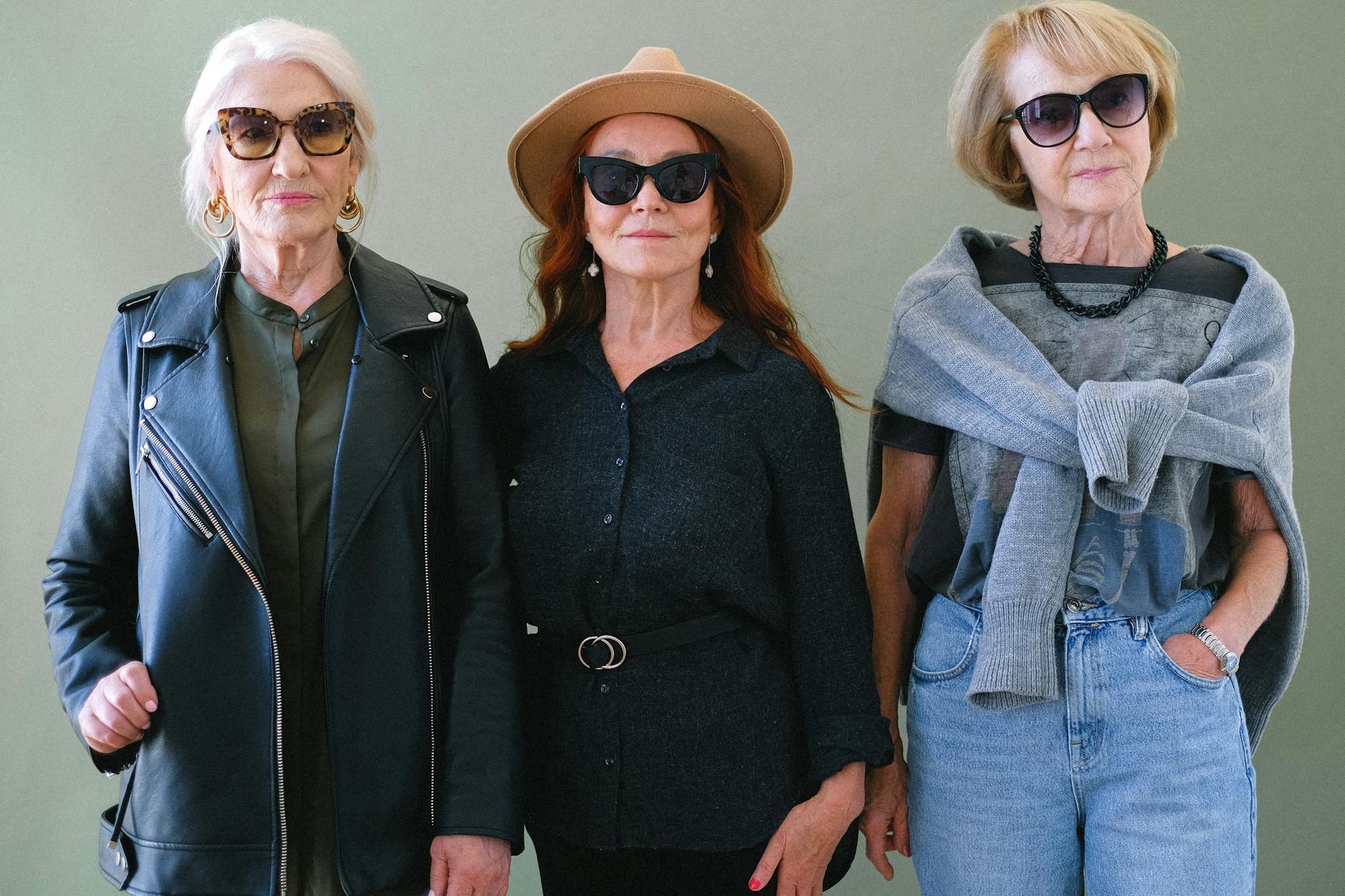
In a constantly changing world, the perception that middle-aged women have of themselves has undergone a remarkable transformation. The days when life past 40 was seen as a quiet descent into invisibility are long gone. Today, midlife for many women is not only vibrant but also a period of self-realization, reinvention, and empowerment.
Modern middle-aged women are challenging outdated stereotypes that once confined them to predefined roles, such as caregiver or homemaker. With social movements pushing the boundaries of gender and age expectations, women in their 40s, 50s, and beyond are breaking free from the notion that youth is synonymous with worth. Whether pursuing new careers, embracing fitness goals, or diving into creative endeavors, midlife is increasingly seen as a springboard rather than a limitation. Women are actively changing the narrative of their lives.
Although societal pressures around appearance still exist, the narrative is shifting. Women are becoming more accepting of their bodies and celebrating the natural aging process. Movements like “pro-age” are empowering women to see beauty in wrinkles, silver hair, and the wisdom that comes with experience. This evolving perspective fosters confidence and self-love, allowing women to define beauty on their own terms.
For many, midlife is characterized by an abundance of responsibilities—career aspirations, raising children, caring for aging parents, and navigating relationships often intersect. The modern world adds complexity with relentless demands and fast-paced lifestyles. Yet, women are embracing the art of balance, prioritizing mental health and learning to say no to what no longer serves them. They are carving out space for themselves amidst the chaos, acknowledging the importance of self-care and mindfulness.
Midlife has become synonymous with reinvention. Women are stepping into roles they never imagined, whether starting businesses, returning to education, or advocating for social causes. Success is no longer dictated by external validation but rather by personal fulfilment. For many, this stage of life is a redefinition of priorities and passions, where the pursuit of happiness takes centre stage.
The rise of social media and online communities has created spaces where middle-aged women can share their journeys, struggles, and triumphs. Finding others who relate to their experiences fosters a sense of belonging. Women are building networks that uplift each other, proving that midlife is a collective journey of growth and empowerment.
This journey of self-discovery and reinvention comes with its challenges. Juggling jobs, parenting, and caregiving responsibilities can be overwhelming. It is common for midlife women to struggle with feelings of guilt or to feel overwhelmed while trying to prioritise their own needs alongside family and work commitments. Changing the narrative of their life often brings uncertainty, leading women to question whether they are making the “right” choices or feel apprehensive about stepping out of their comfort zones. At times, these challenges can leave women feeling isolated in their experiences.
Despite these challenges, a person’s resilience and ability to embrace change can help overcome obstacles, turning them into opportunities for growth. Facing challenges can lead to transformative experiences, including:
1. Overcoming societal expectations and embracing individuality sets an example for younger generations, showing the importance of self-acceptance and resilience.
2. Discovering new hobbies or career paths in midlife can enrich later years, keeping the mind and spirit active well into old age.
3. Building stronger relationships through supportive networks leads to a lasting community of friends and allies.
4. Prioritising self-care and mental health results in a healthier, more balanced life, reducing stress and improving overall happiness.
5. Successfully navigating challenges makes women in their 40s, 50s, and beyond more adaptable and confident in facing future life changes, whether expected or unforeseen.
6. Living authentically means women are redefining success on their terms, creating lives that genuinely reflect their values and aspirations.
The modern world offers middle-aged women the chance to embrace their individuality, wisdom, and strength like never before. With a shift in societal attitudes and a growing sense of agency, women in midlife are no longer invisible; they are inspiring forces redefining what it means to live fully and authentically at any age.
These long-term effects make midlife transformation a foundation for lifelong growth and satisfaction. It creates a ripple effect of positivity—not just for women in their 40s, 50s, and beyond, but for those around them who are inspired by their journeys.

Changing Tyre Made Easy: 13 Crucial Tips

What a way to finish the weekend. I go out the front to water my new trees. I have planted 17 in the past 2 months. I also give my vehicle a quick wash. It is ready for an action-packed work week. I got the bigger trees watered. I was washing my vehicle when I realised the back passenger side tyre was no longer full of air. While not completely flat, it needed changing. So, at 7:30 at night I’m changing the tyre in the night heat and disappearing sun. By the time I finished, it took me a while. I had to take regular breaks for heavy panting, breathing, and sweat wiping. It was dark.
Nowadays most people don’t have to change their tyres but if you do here are a few things to remember:
1. Get the vehicle manual out and read it. Don’t assume you know what you are doing because every vehicle is different
2. Check the diagonal opposite wheel either with chicks or wood or stones/rocks. I used the chocks from the camper trailer. You can buy a set of chocks from places like Bunnings, super cheap, hardware stores etc.
3. Make sure you have the handbrake/footbrake on.
4. Make sure you have a window down when you leave the keys inside the vehicle. I’m paranoid that I’m going to lock the keys in the vehicle.
5. Get the spare tyre out before jacking up the vehicle.
6. I always leave the spare tyre lying under the vehicle until needed just in case the jack shifts and the vehicle falls. For high 4WD this doesn’t work as well as a safety measure.
7. Jack up as per the instructions. Try to keep your body away from under the vehicle as much as possible.
8. Loosen but don’t remove the nuts before jacking off the ground.
9. Jack it slightly higher than you think you need. Remember you are removing a flat tyre which is slightly smaller than a fully inflated tyre.
10. Swap the flat tyre for the replacement. Depending on where the spare is keep it maybe dirty. I promise the dirt will wash off and it won’t hurt you.
11. Tighten the nuts to hand tight. I like to tighten them by tightening one and then tightening the diagonal one until they are all done. I tighten again once the vehicle is back on the ground and the jack is removed.
12. Pack up all your tools and put them away properly. Don’t just chuck them in the back with the thought of doing it later because you won’t.
13. Pat yourself on the back for doing a good job.
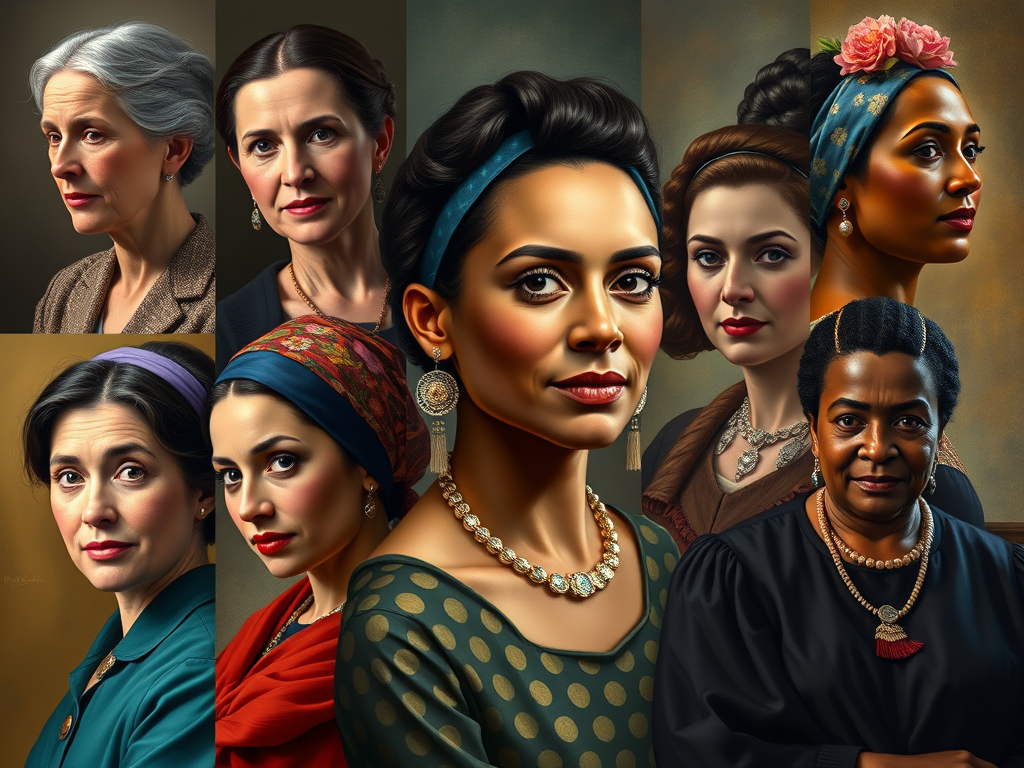
International Women’s Day: Honouring Women’s Legacy
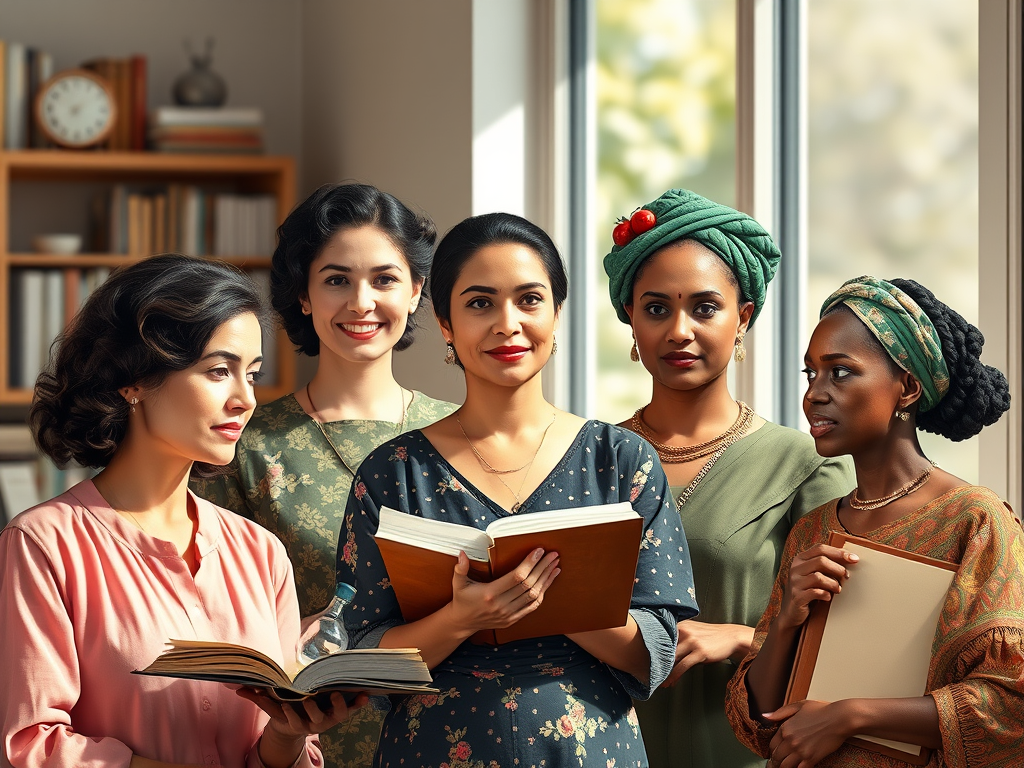
The 8th of March is International Women’s Day, which recognises and honours the achievements of women worldwide while advocating for gender equality. Globally, the event highlights women’s social, economic, cultural, and political contributions throughout history and across various fields. It also serves as a reminder of the ongoing fight for women’s rights and gender parity.
The first International Women’s Day was celebrated in 1911 and has successfully grown into a worldwide event. Each year, a specific theme is chosen by organisations like the United Nations to focus on issues affecting women.
These women have made lasting impacts in their respective fields and continue to inspire generations with their courage, resilience, and contributions to society.
1. Marie Curie – A pioneering physicist and chemist, Marie Curie was the first woman to win a Nobel Prize and the only person to win Nobel Prizes in two different scientific fields (Physics and Chemistry). Her groundbreaking work on radioactivity led to advancements in medicine and science.
2. Germaine Greer – A leading feminist and author, Germaine Greer is best known for her groundbreaking book The Female Eunuch (1970), which became a cornerstone of feminist literature. Greer has been an outspoken advocate for women’s rights, gender equality, and the empowerment of women, both in Australia and globally.
3. Rosa Parks – A civil rights activist, Rosa Parks is best known for her pivotal role in the Montgomery Bus Boycott in 1955. Her act of defiance against segregation sparked a larger movement for civil rights and racial equality in the United States.
4. Malala Yousafzai – A Pakistani activist for girls’ education, Malala became the youngest-ever Nobel Prize laureate at age 17. After surviving a Taliban assassination attempt, she continued to champion the rights of girls worldwide to receive education, regardless of their circumstances.
5. Frida Kahlo – A renowned Mexican artist known for her vivid and emotional self-portraits, Frida Kahlo became an icon for both her art and her resilience in overcoming physical and emotional pain. She is still an enduring symbol of individuality and strength.
6. Catherine Hamlin – An Ethiopian-born Australian obstetrician and gynaecologist, Dr. Catherine Hamlin co-founded the Addis Ababa Fistula Hospital in Ethiopia, where she dedicated her life to treating women suffering from obstetric fistulas. Her compassionate work has saved the lives of thousands of women and brought international attention to maternal health issues.
7. Bessie Guthrie – A member of the Stolen Generations, Bessie Guthrie became a vocal advocate for Indigenous rights and reconciliation in Australia. She dedicated her life to improving the welfare of Indigenous Australians and was instrumental in the efforts to promote the rights and recognition of Aboriginal and Torres Strait Islander peoples.
Every woman has something powerful to contribute to their community, so take a bow and give yourself a huge congratulatory pat on the back. You are awesome.
Washpool National Park

The Washpool National Park is located in northern NSW, Australia and is part of Australia’s World Heritage Area.
There is a lovely campsite that is suitable for tents, camper trailers and small to medium size off-road caravans. The roads into the campsite and picnic area is steep and narrow at points.
My family visited the park at Easter 2019 and had a fantastic time. My daughter put together two short videos about our camping adventure.
Emily’s Video One
Emily’s Video Two
I encourage everyone to plan a camping trip to the Washpool National Park. You won’t be disappointed.
What to take camping
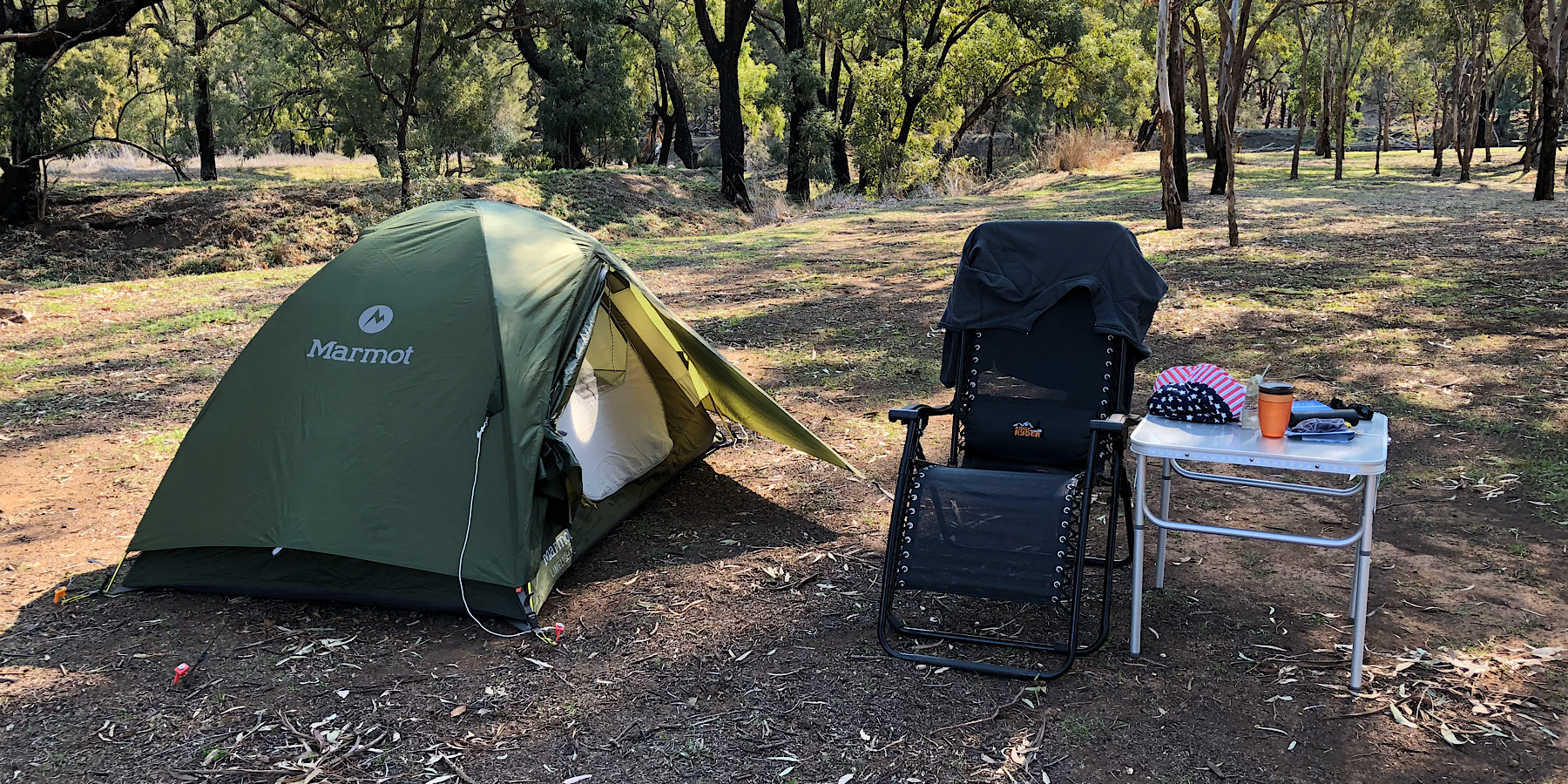
Top 5 items you should always take camping:
1. Comfortable tent and bedding – if you can’t get a goodnight sleep you will be tired and cranky the next day.
2. Comfortable camp chair – you need to think about what you want from your chair. In particular think about how easy it will be to eat while in the chair. It can be difficult to balance you plate on your knees while trying to cut up your nice piece of steak. I have 2 chairs – 1 that’s perfect for eating tea in and playing the IPad and a second one for lazing back reading a book, gazing at the stars and even taking a little nap in.
3. Camp shoes – these are the shoes that you will reach for in the middle of the night when you need to empty the bladder. They need to be easy to slip on but still offer some protection from sticks and other things on the ground.
4. Water – you need to bring at least enough drinking water for all members of your camping party. Not all campsites have a reliable water source for drinking.
5. Toilet paper – you don’t want to get caught with your pants down and no paper to finish the job.
This is not a complete list and what you actual take camping will also depend on where and when you are going. It will also depend on what level of comfort you require. Glamping versus light weight camping.
What are some of your essentials for camping?
Deep Water Running

My best mate and I had been telling everyone for about a week that we had done the Deep Water Running class last year and had heaps of fun. Lots of laughing while getting a great workout. So why not try it with us. They trusted our advice and a few lovely ladies joined us on Thursday night for a fun filled Deep Water Running exercise class at the local pool. Well it didn’t quite turn out that way.
This time it was a different instructor. A nice young lad who knew his stuff and was excellent at motivating the group to go harder and faster. But this was not a class of laughter. It was a class of pain and physical exhaustion but still fun in a funny way.
The instructor insisted that everyone put on a floatation belt and after the first 10 minutes of the class I understood why. So basically, when you collapse in exhaustion from the running sprints, you don’t sink straight to the bottom of the pool and die instantly from a lack of oxygen in the lungs.
So, what is Deep Water Running? It is an exercise class where you and a group of other victims, um, I mean participants, run in the deep end of the local swimming pool. In our group there were 15 ladies but that would vary from location to location.
You hop into the deep end of the pool, so your feet don’t touch the bottom and your body is submerged in the water up to your neck. Don’t panic, you have a floatation device on which prevents you from sinking below the water surface.
Under the direction of your instructor, you then start running in the water just like you would on land. We did running sprints of 10 to 15 seconds on and 30 to 40 seconds off. “Get those knees up high and pump the arms through the water (be careful not to let your arms do all the work)”, you will hear the instructor yell. If your running posture is right, your shoulders should pop out of the water. The harder and stronger you run the higher those shoulders will pop. Mine didn’t pop much but I’m a slower runner generally.
Now you don’t move very quickly forward through the water but it’s about getting those muscles including the heart going rather than a running race. There is no medal for the person that travelled the furthest. There is a good chance your Deep Water Running posture is not right and you are leaning to far forward if you’re travelling forward a lot.
The benefits of Deep Water Running include:
- The natural buoyancy of the water helps to reduce the strain on your joints, bones and muscles that may be caused by running on land
- It allows you to push your body to new limits without increasing the chances of sprains and strains and other injuries
- On a 40oC day the pool water is cool and your chances of overheating from the workout is reduced
- You can workout longer and harder than you would normally run on land as it is not as taxing on your body
- Anyone can do it, even those that have limited swimming ability as you are wearing a floatation device.
What do you need for Deep Water Running?
- A pool with a deep end that you can’t touch the bottom
- Swimmers or clothing suitable to wear in a pool
- Floatation device (Instructor provides)
- Water bottle
- Sense of humour.
I challenge you to checkout your local pool to see if they run Deep Water Running classes.
Are you kidding me?
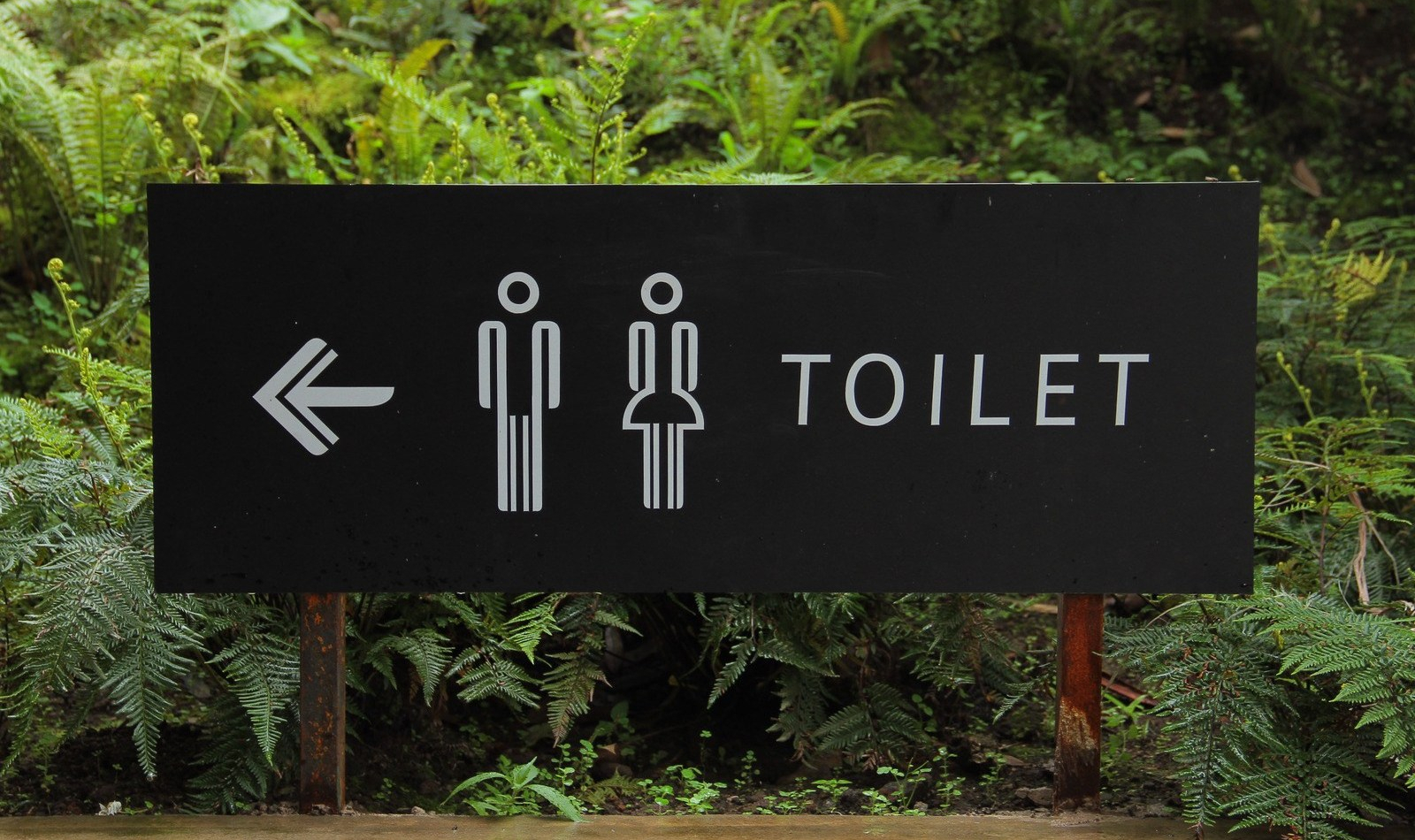
I’m no supermodel. I carry a few extra kgs around the middle area for those emergency situations. That zombie attack when I’ll need to carry my own food (hence the spare tyre around the belly) as I escape the “Hot Zone” in hope of finding that promised “Safe Zone”. Yeh, I know, with that much extra padding I won’t be able to outrun me mate and will be the first die. Anyway, back to the story …
I’m not that large that people look at me with the “Oh that poor girl” eyes. So, why is it that some fast food places’ toilets are so small that I must back up to get in there. This happened to me again the other day at the Golden Arches.
I was busting to pee so I’m rushing to get to the deposit site ASAP. I open the cubicle door and race in only to realise I couldn’t turn around to close the door. I had 2 choices:
- Straddle the toilet and then perform a half upper body turn or
- Go back out and reserve in.
Of course, I chose the most difficult option.
I straddle the toilet with my legs brushing the side of the toilet and the wall at the same time. I then raised my handbag above my head as there was no sideways room with this fancy move. I twist at the waist and throw my other arm around praying that it hits the door closed. The door is now closed which means I can shuffle my way back off from straddling the toilet and start the final movement of spinning around to face the right direction.
Again, the handbag goes above the head and this time my other arm joins it as I do the most ungraceful turn you have ever seen. Image a really drunk lass on the nightclub dance floor at 3am thinking she is nailing the moves to Flashdance but in reality, it’s a train wreck. The turn is done, the door is locked and I’m ready to let the waterfall flow. Now what do I do with my handbag, there is nowhere to put it so how do I get my dacks down with just one arm in a confined space. Well that’s a story for another day.
As a society our waistlines are getting bigger (not a good thing but is the reality) so why the “f” are the toilet cubicles getting smaller?

Mount Kaputar National Park
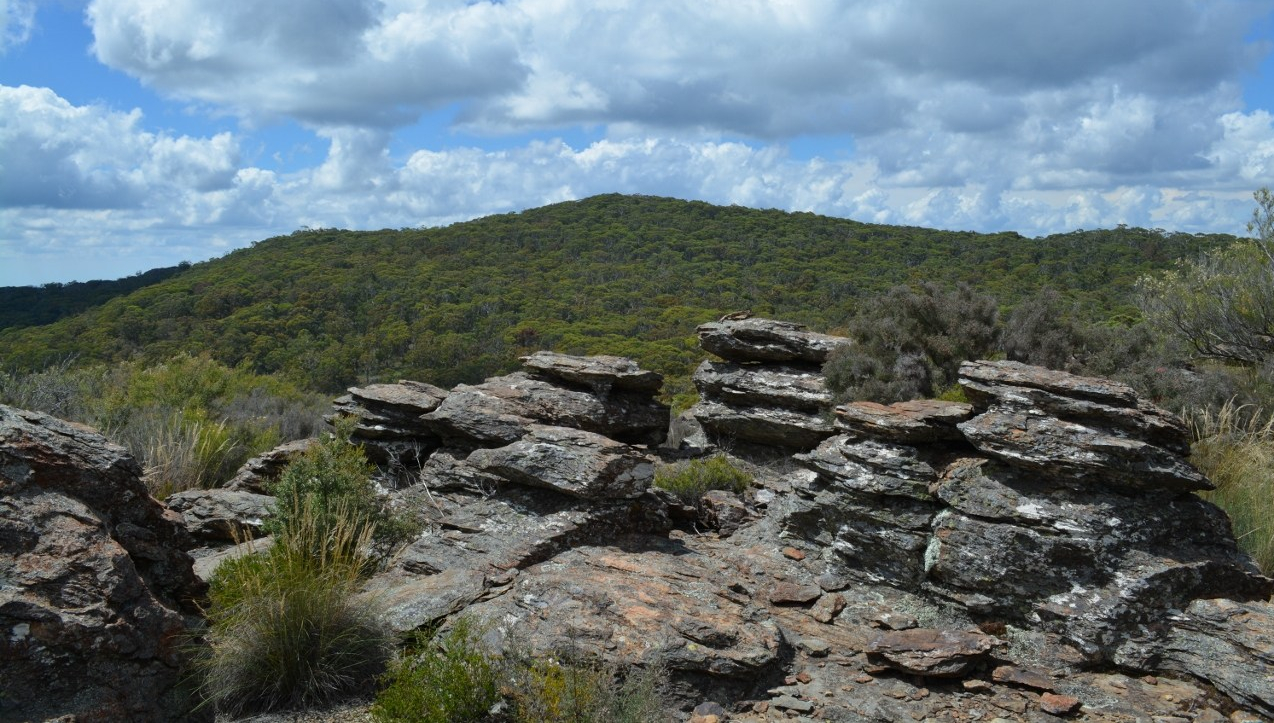
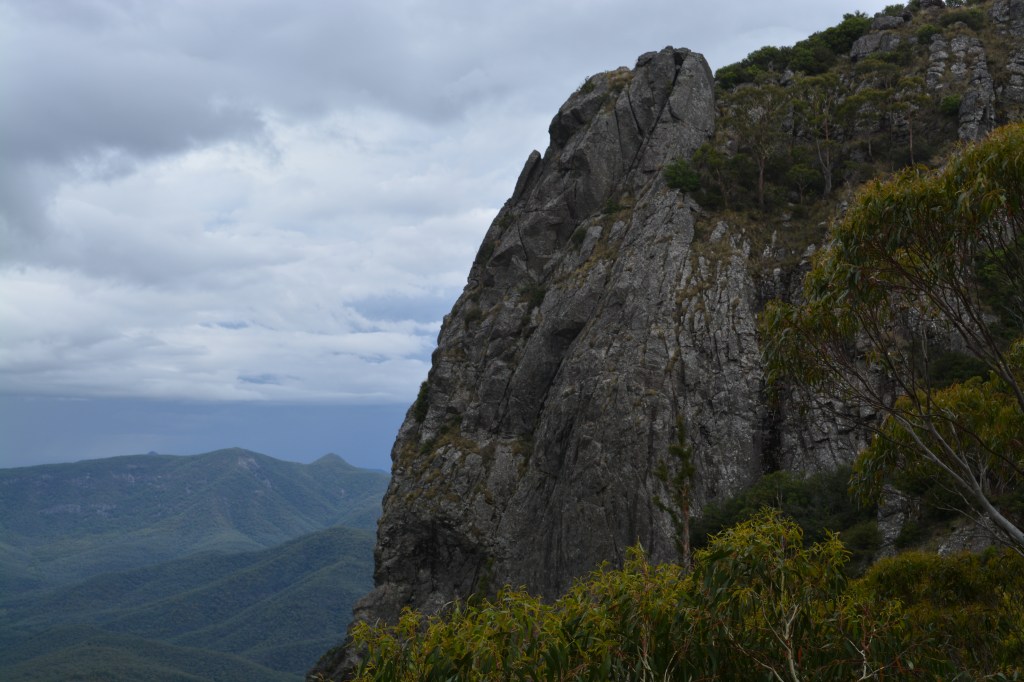
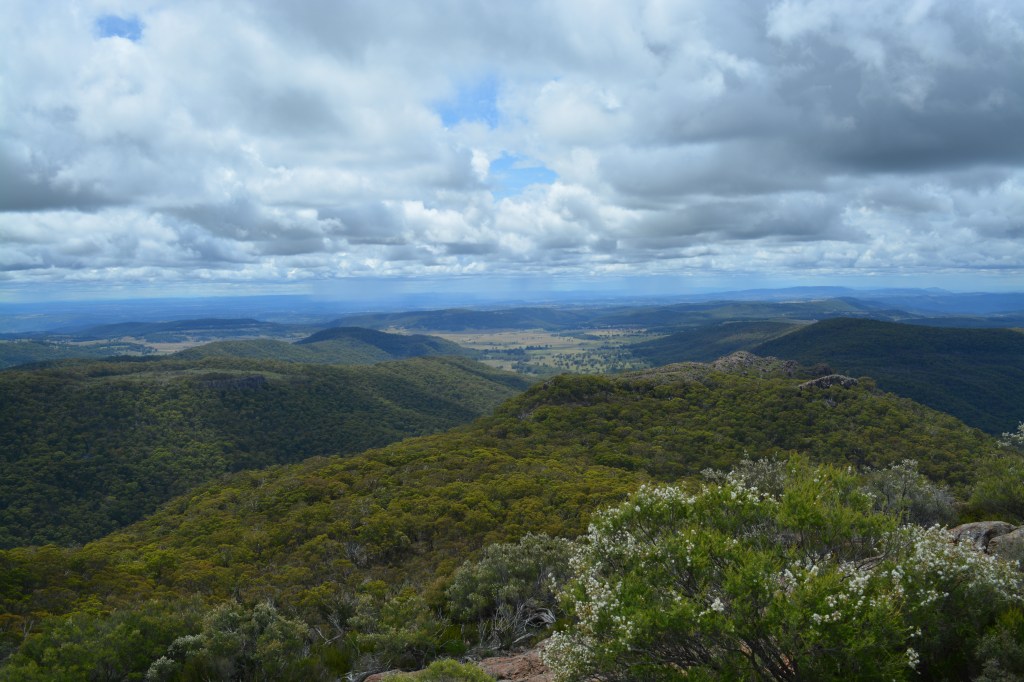
One of my favourite places is Mount Kaputar National Park. It located near Narrabri in north west NSW.
The road up the mountain is a mix of unsealed and sealed roads. Many points along the route are narrow and you may need to pullover to let another vehicle pass. Once you enter the National Park to go up the mountain it is not suitable for caravans but okay for camper trailers. Sawn Rocks around the other side of the Park I think is suitable for caravans.
Mount Kaputar makes a great day trip, a weekend away or a week long camping trip. There is 2 cabins and if your like me, you want to get the tent or camper trailer out. There is 2 large campsites and both have hot showers and flushing toilets. There is plenty of room to set up camp while still retaining some privacy with your neighbours.
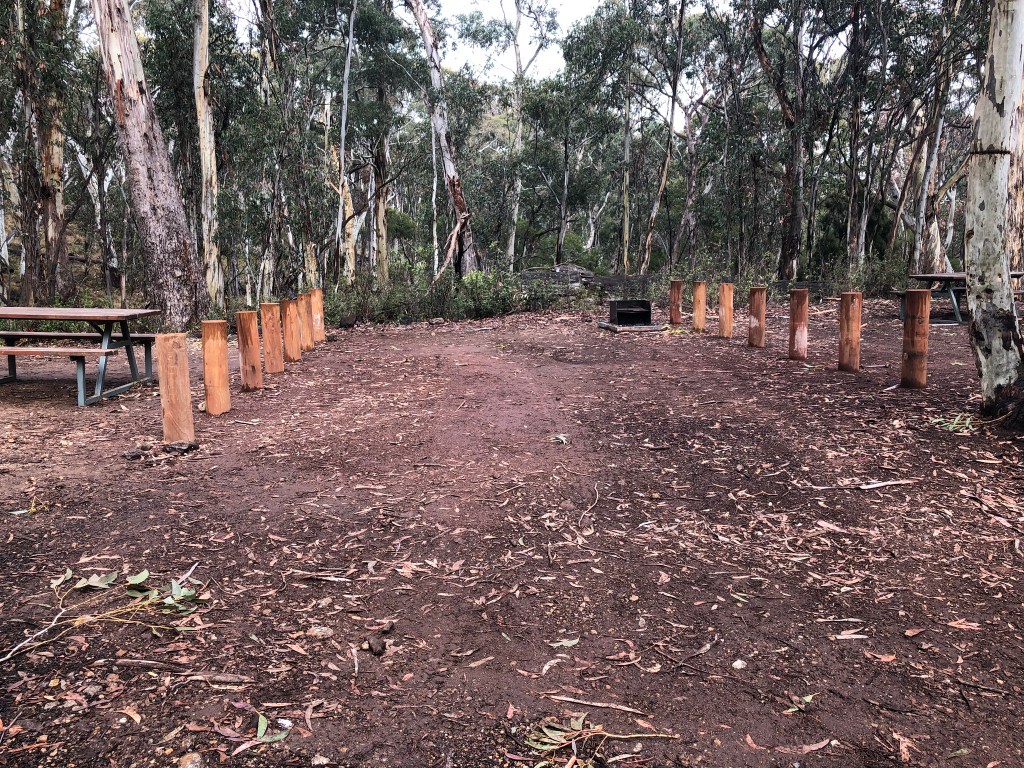
Dawson Springs Campground showing one of the larger camping sites
The kangaroos are really smart up there so make sure you don’t leave anything open particularly where there is food. They will find it.
If you are only heading up for the day, take a picnic as there are heaps of picnic tables. There is also a number of free barbecues to chuck a sausage or steak on.
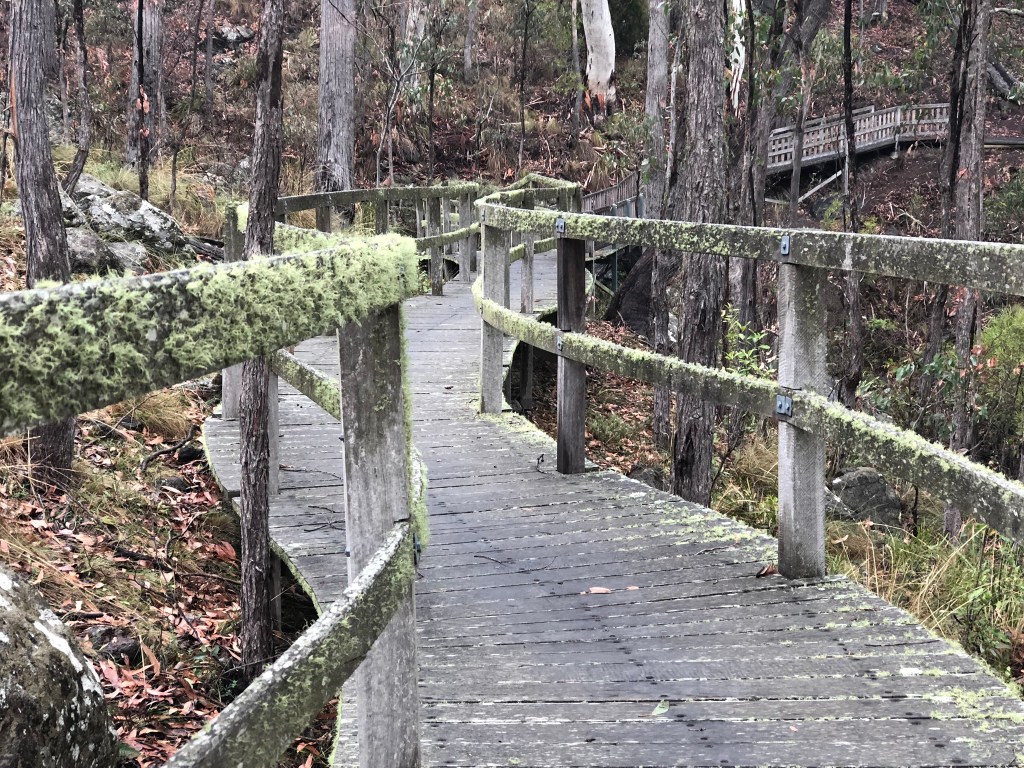
There is numerous walks from short 15 minutes ones to all day hikes and they suitable all fitness levels. There is also an overnight hike for the really keen people. Many of the walks link together to make longer walks. One of my favourites is the Lindsay Tops walk and in the past my family and I have used our kites up there.

These amazing pink slugs come out to play after rain and are only found at Mount Kaputar
The weather at the top gets really cold in winter. Sometimes the day time temperatures doesn’t get much higher than 5oC. That gives you an idea of how cold the winter nights can be. Just take lots of sleeping bags and wood for the fire. Summer temperatures are beautiful and usually 8oC to 10oC lower than the surrounding areas.
Why not put a trip to Mount Kaputar on your list?
https://www.nationalparks.nsw.gov.au/visit-a-park/parks/mount-kaputar-national-park

Rosa Parks
I’m a bit of a Doctor Who fan and the other night I watched the episode “Rosa” which has sparked my interest to find out more information about Rosa Parks, the lady the episode was based on. I must admit I hadn’t heard of her before, but it turns out she is a remarkable woman who helped to change the way ‘blacks’ and other ‘coloured’ people were treated in the USA during the last century.
Rosa Parks was born on the 4th February 1913 and is known for her pivotal role in the Montgomery Bus Boycott which lasted over 12 months in late 1955 and 1956.
It was the law back then in Montgomery, Alabama that people of ‘colour’ were segregated from the ‘white’ people including on the local buses. The buses had ‘whites only section’ and another section for the coloured people. When the white only section on the bus was full the coloured people had to relinquish their seat for the white people.
On the 1st December 1955, Rosa Parks was travelling home on the bus when she was asked to move from the coloured section so that a white person could have a seat. At that moment Rosa decided to take a stance for herself and her fellow black people and refused to move when the bus driver James Blake ordered her to move. Rosa was arrested and charged with civil disobedience for violating the Alabama segregation laws. She later lost her job and received death threats for the stances she took that day on the bus.
Rosa, who was well liked in her community combined with her commitment to see change, inspired the black community to boycott the Montgomery buses for over 12 months. This was the first major post war action of the civil rights movements and this boycott was led by Martin Luther King Jr.
While she was not the first person to resist segregation, she was one of the first to have the courage and strength to see it through a major court challenge that resulted from her arrest on the bus. The case finally succeeded in November 1956 when the U.S. Supreme Court ruled that bus segregation was unconstitutional.
Rosa died in 2005.
While Rosa only did one little things by standing up for herself and her community this started a rippling effect that is still felt today. If you believe in something take a stance because you too could change the world.
 Kylie Kerr Coaching