A Century of Change: How Women’s Roles in Australian Society Have Transformed
Over the past 100 years, the role of women in Australian society has undergone an extraordinary transformation. From a time when women were expected to focus almost solely on home and family, they’ve emerged as powerful contributors in every corner of the workforce, public life, politics, defence, and beyond. In this post, we’ll explore how women’s roles have evolved, particularly in motherhood, during wartime, in defence, careers, and leadership and how these shifts have helped reshape Australian society.
From Home Front to Workforce: The Changing Role of Mothers
A century ago, the ideal woman in Australia was typically seen as a devoted wife and mother. Her duties revolved around caring for the home and raising children. It was common for women to leave paid work once they married, often never returning. In fact, married women weren’t even allowed to hold permanent jobs in the Commonwealth Public Service until 1966.
But as the 20th century progressed, significant social changes began to take hold. Access to education improved, landmark legislation promoting gender equality was introduced over time, and the introduction of the oral contraceptive pill in the 1960s gave women more control over family planning. Societal attitudes began to shift, recognizing women’s capabilities and aspirations beyond the domestic sphere. The average age of first-time mothers has risen, and family sizes have become smaller. Australia’s fertility rate dropped from around 3.5 children per woman in the early 1900s to about 1.7 in recent years.
Importantly, women began entering the workforce in much larger numbers. By 1990, 62% of working-age women (15–64 years) were part of the labour force, up from just 34% in 1961. While juggling work and family life is still challenging, the idea that a woman’s identity should be defined solely by motherhood is far less common today.
Wartime Catalysts: How Conflict Expanded Women’s Roles
The world wars were turning points for women in Australia. With thousands of men serving overseas, women were called upon to step into roles traditionally reserved for men.
During World War I, women primarily served as nurses, but many also volunteered on the home front, organising fundraising efforts, working with the Red Cross, and even travelling overseas as ambulance drivers and support staff.
World War II saw a more dramatic shift. Labour shortages meant women were actively recruited for jobs in manufacturing, agriculture, and even the military. They joined munitions factories, drove trucks and trains, and joined the Australian Women’s Land Army. More than 66,000 women served in the women’s auxiliary branches of the armed forces, taking on everything from cooking to mechanical work.
Although they were often paid less than men, women proved they were more than capable. Their wartime efforts challenged long-held beliefs about what women could and should do, paving the way for greater inclusion in the post-war workforce and broader society.
Women in the Modern Australian Defence Force
Today, women serve in every role across the Australian Defence Force (ADF), including combat positions, leadership, intelligence, and engineering. As of recent data, women make up approximately 20% of the permanent ADF, with ongoing efforts to boost this figure through recruitment and retention initiatives.
Women now command naval ships, lead army units, and fly combat aircraft—roles once considered completely off-limits. The ADF has removed all gender-based restrictions, and its current focus is on building inclusive, diverse teams where performance and leadership matter more than gender.
These advances reflect how far the military and society has come in recognising women’s equal capability and contribution to national security.
Expanding Career Horizons: Women Breaking into Non-Traditional Trades and Professions
In addition to office-based and professional roles, an increasing number of Australian women are stepping into non-traditional careers, industries that have long been male-dominated. Furthermore, women have made significant strides in traditionally male-dominated professions and are increasingly taking on leadership roles across various sectors.
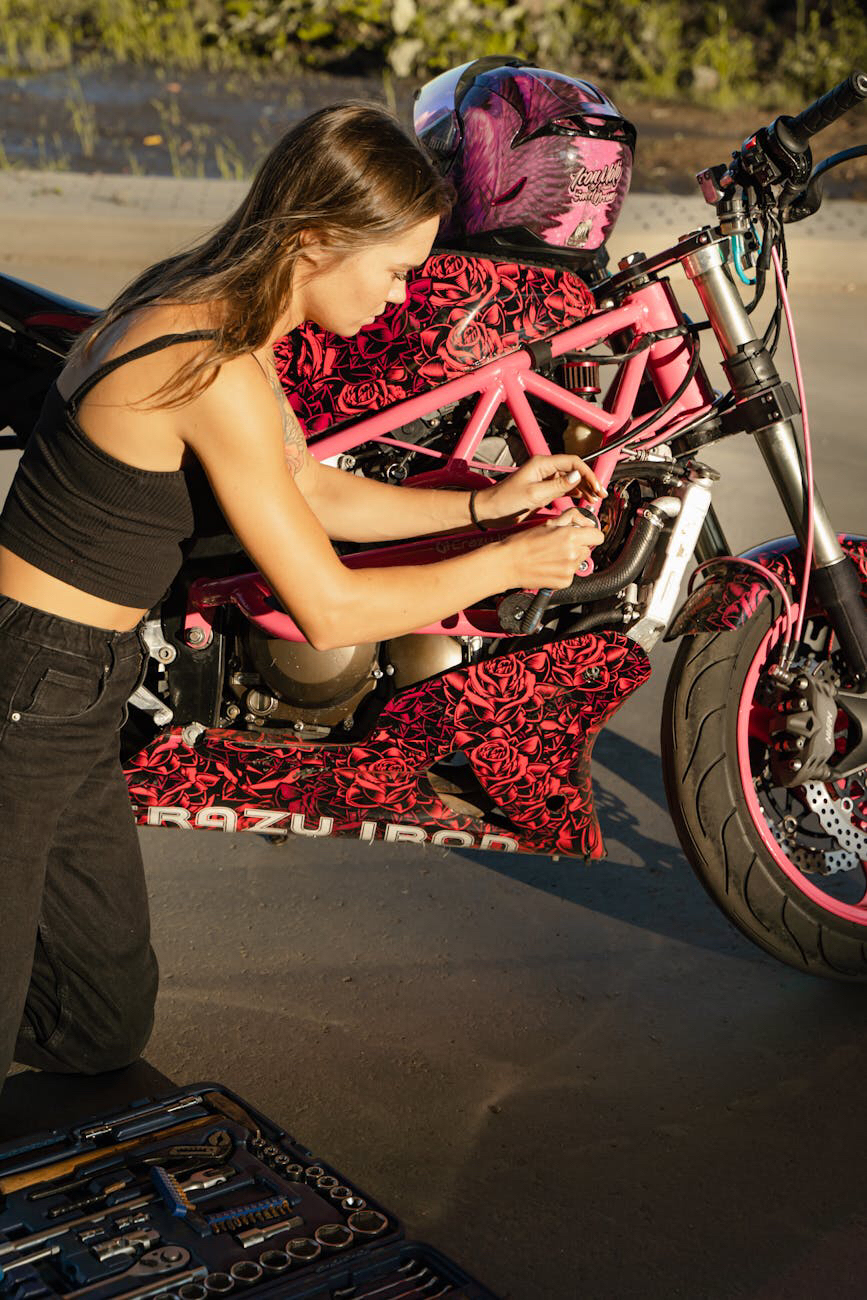
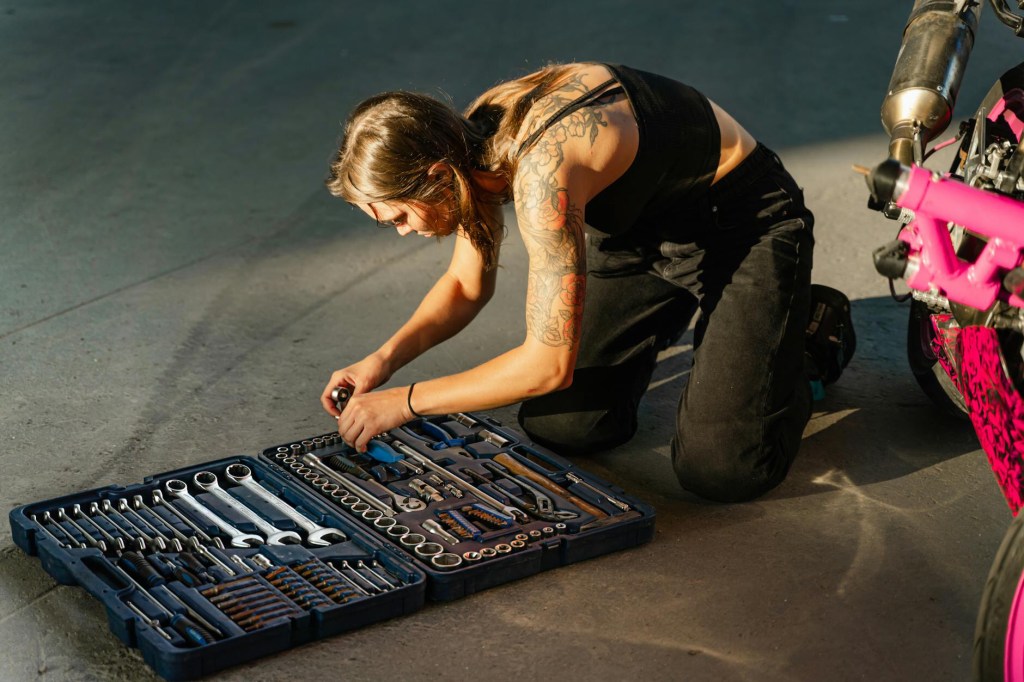
Women are now working as road construction workers, heavy machinery operators, carpenters, electricians, mechanics, welders, and miners. Programs like “Women in Trades” and government-backed initiatives are encouraging young women to explore apprenticeships in construction, infrastructure, and resource industries. Simultaneously, more women are entering fields like engineering, technology, and finance, and are progressing into senior management and executive positions.
Mining companies have introduced flexible rosters, mentorship programs, and more inclusive workplace cultures to support gender diversity. Construction firms are also seeing the value of women’s perspectives in planning and leadership.
Moreover, legislative changes and evolving workplace cultures are gradually dismantling barriers to women’s advancement in professional fields.
While barriers remain such as gender bias, physical workplace design and lack of representation women in these industries and professions are proving every day that skill, strength, and smarts are not gendered.
Women in Politics and Leadership
Beyond the workforce, women have also made significant inroads into Australian politics and leadership roles across various community sectors. From local councils to federal parliament, the representation of women in political office has steadily increased over the past century, although achieving true gender parity remains an ongoing goal.
Women are now serving as Prime Ministers, Premiers, Ministers, and holding key leadership positions in political parties. Their presence brings diverse perspectives and experiences to policy-making and governance. Similarly, women are increasingly leading boards, community organizations, and influential institutions, shaping the direction of Australian society in profound ways.
The Juggling Act: Balancing Work, Family, and Everything In Between
Perhaps one of the most impressive aspects of modern womanhood is how women are managing multiple demanding roles simultaneously. Many women are working full-time or running businesses while also parenting, maintaining relationships, managing households, and being present for friends and extended family.
The pressure is real but so is the adaptability and resilience.
Flexible work arrangements, remote roles, and greater societal awareness have helped, but many women still carry a disproportionate share of emotional and domestic labour. Despite that, they are leading teams at work, helping with homework at night, and checking in with friends over coffee or text messages. They’re showing that success isn’t just about ticking boxes, it’s about living fully and authentically in all areas of life.
Importantly, the conversation is shifting. There’s growing recognition that doing it all doesn’t mean doing it alone and that asking for support, setting boundaries, and being honest about limitations are all acts of strength.
Embracing Self-Care: A New Kind of Strength
Alongside external achievements, more and more women are recognising the importance of self-care—not as a luxury, but as a necessity. After decades of being expected to put everyone else first, today’s women are starting to reclaim their own time, space, and wellbeing.
Whether it’s through mindfulness, exercise, therapy, journaling, creative pursuits, or simply saying “no” more often, self-care is helping women reset their energy and avoid burnout. It’s no longer about “having it all” at once, it’s about sustaining yourself so you can show up for the people and priorities that matter most.
And here’s the truth: when women prioritise their wellbeing, everyone around them benefits too partners, children, friends, workplaces, and communities.
Final Thoughts: A Legacy of Progress—and the Work Ahead
In just one century, women in Australia have gone from being confined largely to the home to playing leading roles in every aspect of society, including politics, defence, and diverse professions. Their resilience during wartime, service in defence, rise in non-traditional trades and professions, dedication to careers, increasing presence in leadership and prioritisation of wellbeing have redefined what it means to be a woman in Australia today.
While the journey toward full equality isn’t over, the progress made is extraordinary. Every step forward tells a story of courage, determination, and an ongoing commitment to change the narrative for women, and for the country as a whole.
 Kylie Kerr Coaching